
LED lighting has evolved from a niche performance upgrade to a mainstream sustainability tool. For homes, offices, and industrial spaces, LEDs deliver not only better lighting but also a smaller environmental footprint. Here at NiceLedLights.com we explore how LEDs save energy, cut waste, and support responsible materials management. This guide explains the environmental benefits of LED lighting, why they matter, and practical steps you can take to maximize those benefits in daily life.
Energy savings and emissions reductions
LEDs are renowned for their energy efficiency. They convert a higher percentage of electrical power into usable light and waste far less energy as heat compared to traditional bulbs. This difference translates into lower electricity bills and a smaller environmental impact over time.
- Lower energy demand means fewer power plants need to run, which reduces greenhouse gas emissions and air pollution.
- In commercial or industrial settings, the energy savings from LED upgrades can be substantial enough to justify retrofits within a few years.
- For spaces with long operating hours or difficult access to daylight, the efficiency advantage compounds, delivering meaningful reductions in a facilitys carbon footprint.
Beyond energy use, LEDs also support emission reductions through smart integration. When paired with efficient drivers, sensors, and building management systems, LEDs perform tasks more reliably with less energy waste. In practice, this means:
– Consistent lumen output over time helps avoid overlighting or wasted energy during off hours.
– Dimmable options allow lighting to scale with occupancy, calendared schedules, or daylight availability.
– Improved control reduces peak demand, which is a common target for utility incentive programs.
Real world impact varies by climate, grid mix, and occupancy patterns, but the trend is clear. Upgrading to LED lighting is one of the most proven actions a home or business can take to reduce energy use and lower emissions.
How to maximize energy and emissions benefits
1) Prioritize high efficiency LEDs with good lumen per watt (lm/W) ratings and reputable certifications.
2) Pair LEDs with smart controls such as occupancy sensors and daylight harvesting to avoid waste.
3) Align lighting levels with task needs to prevent over illumination.
4) Use time of day and seasonal controls to match electricity prices and available daylight.
What makes LEDs environmentally friendly
LEDs stand out in several key areas that collectively reduce environmental impact over their life cycle.
Longevity and replacement waste
LEDs typically last much longer than incandescent and many compact fluorescent bulbs. A longer life means:
– Fewer bulbs manufactured, transported, and disposed of each year.
– Less frequent replacements lowers waste stream volume and reduces labor costs for maintenance.
– Lower likelihood of premature failures when designed with robust components and good heat management.
With proper design and cooling, LED lifespans can extend well beyond 15,000 to 50,000 hours depending on the product and usage pattern. That translates into substantial material and labor savings over time.
Reduced heat and cooling load
Because LEDs produce much less heat in the form of waste energy, buildings experience lower cooling loads. This indirectly saves energy used by air conditioning systems, particularly in warm climates or spaces with significant heat gain from lighting.
- In retail spaces and offices with long operating hours, even small cooling savings add up.
- Reduced heat helps protect occupants and sensitive equipment in data centers or laboratories.
Materials and recyclability
LEDs use solid state lighting technology with materials that are often recyclable and mercury free, which matters for end of life management.
– Some components may include rare earth elements and electrical circuitry that require proper recycling.
– Proper recycling reduces the risk of hazardous substances entering landfills and supports material recovery.
However, not all LED products are created equal. Recycling readiness depends on the design, packaging, and the availability of local e waste programs. Choosing LEDs from manufacturers with clear recycling guidance and take back options improves environmental outcomes.
Lifecycle and end of life management
Understanding the lifecycle of LED lighting helps reveal where the environmental benefits come from and where challenges exist. Life cycle stages include manufacturing, distribution, use, and end of life.
- Manufacturing: LEDs generally require less energy to operate over their lifetime, but the production process itself consumes energy and materials. Opting for suppliers that use energy efficient manufacturing and responsible sourcing can lower overall impact.
- Use: During operation, LEDs save energy and reduce heat and emissions, as discussed above.
- End of life: Recycling and proper disposal are essential. End of life management turns potential waste into material streams for reuse and remanufacturing.
Recycling options and take back programs
End of life management is critical for maximizing environmental benefits. Consider these practices:
– Look for local e waste or lamp recycling programs that accept LED bulbs and fixtures.
– Check if the manufacturer offers take back or recycling programs, and follow their guidelines for disassembly and return.
– Separate hazardous materials from recyclable components as required by local regulations.
Circular economy and design for recyclability
Manufacturers can support circular economy goals by designing for easier disassembly, using recyclable packaging, and labeling materials clearly. Consumers can contribute by:
– Choosing products with clearly stated recyclability information.
– Supporting brands that publish transparent environmental product declarations.
– Participating in community recycling events and drop off points.
Design and deployment for sustainability
Sustainable lighting design goes beyond the bulb itself. It combines product selection with layout, controls, and integration with other building systems.
Smart controls and daylighting
Smart lighting systems maximize LED benefits by adapting to real time conditions. Effective strategies include:
– Occupancy sensing to ensure lights are off when spaces are unoccupied.
– Daylight harvesting to reduce artificial lighting when natural light is available.
– Scheduling and programmable scenes to match business hours and activity levels.
– Centralized control that monitors energy use and identifies opportunities for optimization.
Color temperature and circadian health
Choosing the right color temperature can influence comfort, productivity, and energy use. For example:
– Warmer temperatures (around 2700K to 3000K) are often preferred in hospitality and residential settings for a cozy ambiance.
– Cooler temperatures (around 4000K to 5000K) can improve focus in work environments but may increase perceived brightness and electricity use.
– Dynamic or tunable white lighting can shift color temperature throughout the day to align with natural circadian rhythms and daylight quality.
Dimming and quality of light
Dimming reduces energy consumption and can extend lamp life by reducing operating current. At the same time, good quality lighting maintains color rendering and avoids flicker. When selecting LED systems, consider:
– High quality drivers and stable light output across dimming ranges.
– Adequate lumen levels for the task to avoid overcompensation with higher luminance.
– Consistent color rendering index (CRI) for accurate color perception.
Common questions and misconceptions
No guide would be complete without addressing frequent concerns about LED environmental impact.
- Do LEDs contain toxic elements? Most LEDs are mercury free and have low to moderate levels of other materials. Proper recycling helps recover valuable components and reduces waste.
- Is the environmental cost of manufacturing LEDs high? Manufacturing does require energy and materials, but the long life and energy savings during use typically offset upfront impacts over the product life cycle.
- Are LEDs better than CFLs in every respect? Yes in most environmental aspects, including long life, energy efficiency, and reduced hazardous waste. But proper disposal remains important for all lamp types.
Getting started with eco friendly LED upgrades
If you are planning an LED upgrade for a home, office, or storefront, use this practical checklist to maximize environmental benefits.
1) Audit current lighting: Map hours of operation, types of rooms, and existing fixtures.
2) Set goals: Decide whether you want to reduce energy use, cut cooling load, improve lighting quality, or all of the above.
3) Choose high quality LEDs: Look for energy star or similar certifications, good lm/W, and reliable driver design.
4) Plan for controls: Include occupancy sensors, daylight sensors, and dimming where appropriate.
5) Prioritize retrofit or replacement strategy: Decide which areas to upgrade first based on usage patterns and energy savings potential.
6) Consider recycling early: Choose products with clear end of life guidance and local recycling options.
7) Monitor and adjust: Track energy use after deployment and tweak settings for optimal performance.
Why NiceLedLights.com cares about environmental sustainability
NiceLedLights.com focuses on how LED lighting can improve energy efficiency and reduce environmental impact for both residential and commercial settings. We emphasize practical upgrades, thoughtful design, and responsible end of life management. Our goal is to help readers navigate product choices, understand real world benefits, and implement strategies that minimize waste and emissions while delivering quality lighting.
- We highlight the value of long lasting products that reduce replacement frequency and waste streams.
- We explain how smart controls help minimize energy use without sacrificing user experience.
- We discuss recyclability and proper disposal to support circular economy principles.
- We offer guidance on selecting products with transparent environmental information from reputable manufacturers.
Real world case studies and practical examples
To illustrate how these benefits play out, consider a few scenarios drawn from real world experiences with LED upgrades.
- A small business with a 5 000 square foot storefront installed a daylight harvesting system combined with motion sensors. The result was a noticeable drop in monthly electricity bills and a shorter cooling season during hot months.
- A mid sized office building swapped outdated fluorescents for high quality LED troffers. The building reported a more comfortable working environment, reduced glare, and a 30 percent decrease in lighting energy use within the first year.
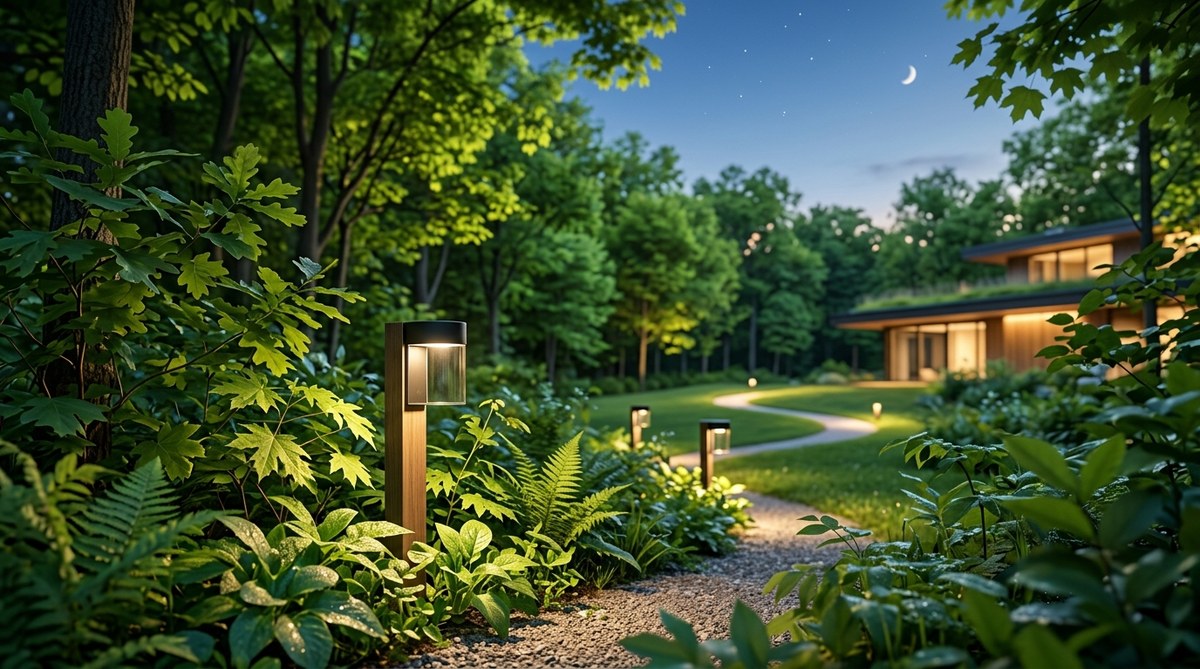
- A residential retrofit replaced outdoor lighting with LED fixtures that feature motion sensors and solar powered mitigation for dark skies. The result was lower light pollution and improved security with lower energy costs.
The broader environmental impact
LED lighting affects more than energy bills. It contributes to broader environmental goals such as reducing:
– Air pollution from power generation
– Landfill waste through longer lasting products
– Hazardous material exposure by enabling safer end of life management
– Light pollution when paired with proper shielding and dark sky friendly designs
When combined with sustainable manufacturing, responsible packaging, and recycling programs, LED lighting becomes a cornerstone of a more sustainable built environment.
Related resources and further reading
- Lighting design guides that emphasize energy efficiency and human factors
- Local e waste and recycling programs for lighting products
- Manufacturer environmental product declarations and sustainability reports
- Government and industry standards that support energy efficiency and environmental stewardship
If you are ready to begin your eco friendly upgrade journey, start by evaluating your current lighting, set clear goals, and choose high quality LED products that align with sustainable practices. At NiceLedLights.com we are here to help you navigate choices, optimize energy savings, and maximize the environmental benefits of LED lighting for your home or business.