
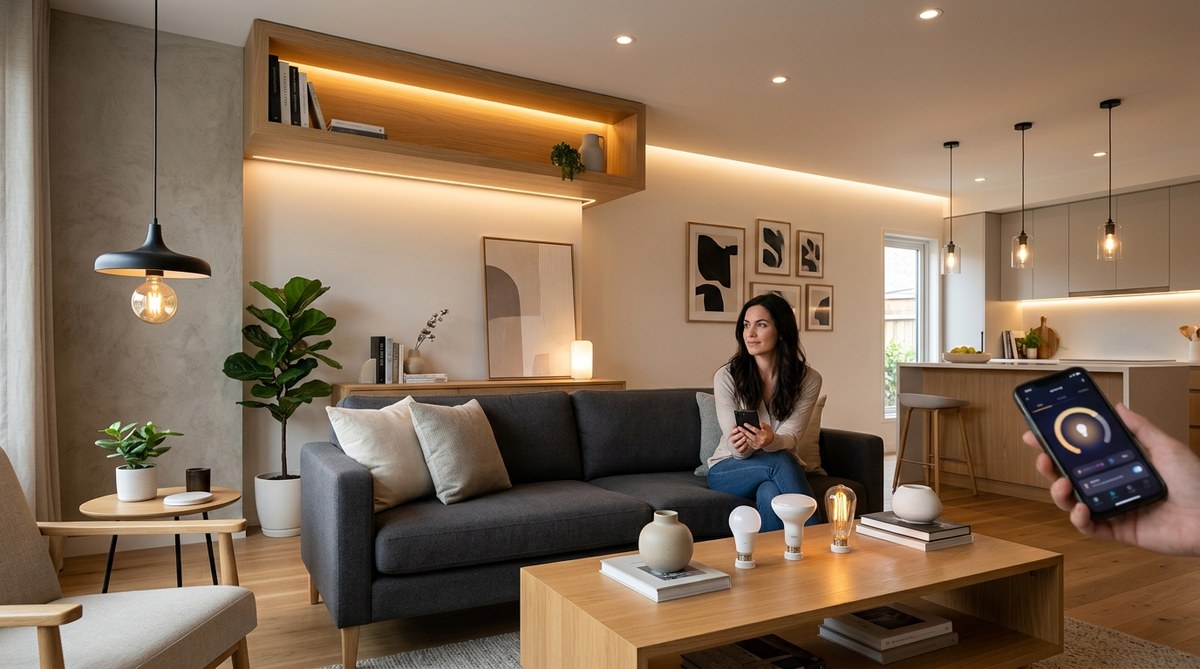
Choosing LED lights for your home can feel like a high stakes puzzle with terms that sound complicated at first. But when you break it down into a simple framework, you can design a lighting plan that is comfortable, energy efficient, and easy to live with every day. At NiceLedLights.com we make it our mission to help homeowners understand LED lighting from the inside out, covering energy savings, recycling and environmental impacts so you can feel good about your upgrades.
Understanding the LED basics you need to know
Before you shop, get a solid grasp of a few core concepts. This foundation will make every decision easier.
Lumens, watts and brightness
- Lumens measure brightness. More lumens mean a brighter light.
- Watts measure energy use. With LEDs, you get more light per watt, so a lower wattage can still be very bright.
- Don’t chase watts alone. Compare lumens to ensure you get the brightness you want without wasting energy.
Color temperature and light quality
- Color temperature is measured in kelvin (K). Lower numbers (around 2700K) look warm like traditional incandescent bulbs. Higher numbers (4000K to 5000K) look cooler or daylight like.
- For most home spaces, a warm white around 2700K to 3000K creates a cozy, inviting atmosphere. Work spaces often benefit from 3500K to 4100K for better visibility without harshness.
- Color Rendering Index (CRI) indicates how well a light reveals colors. A higher CRI (80 to 90+) is preferable in living areas and spaces where color accuracy matters, like kitchens and bathrooms.
Dimmability and controls
- Dimmable LEDs offer flexibility for mood, ambiance, and energy savings. Not all LED bulbs are compatible with every dimmer switch, so check the dimmer compatibility.
- Smart lighting options let you schedule, scene set, and remote control lights. They can amplify energy savings when combined with motion sensors and timers.
Base type and form factor
- LED bulbs come in various base types, such as screw bases (E26/E27) or pin bases (GU10, GU24). Match the base to your fixture.
- Consider the physical shape and size as well. Some fixtures require compact bulbs or integrated linear strips for an even glow.
Energy efficiency and certifications
- Look for bulbs with ENERGY STAR or other energy efficiency marks. They signal quality, longer life, and lower running costs.
- Long life reduces maintenance and replacement frequency, especially in hard to reach fixtures.
Plan your space with lighting layers
A well designed home lighting plan uses layers to avoid a flat, single light source. The three main layers are ambient, task and accent.
Ambient lighting
This is the general foundation of a room. It provides even illumination and comfortable overall brightness. Ceiling fixtures, recessed lights, and wall sconces are common sources of ambient light.
Task lighting
Task lighting focuses light where you need it most, such as above a kitchen counter, at a desk, or near reading nooks. These lights should be bright enough to perform the task without straining your eyes.
Accent lighting
Accent lighting highlights architectural features, artwork, or plants. It adds depth and personality to a room and often uses adjustable spots or wall wash lights.
Quick rule of thumb for layering
- Plan at least three independent lighting zones in larger rooms.
- Use dimmable lights to blend ambient and task lighting, especially in living rooms and bedrooms.
- Consider increased brightness for rooms that require precision tasks, like kitchens and home offices.
How to choose bulbs and fixtures for different scenarios
Here are practical guidelines you can apply while shopping for LED bulbs and fixtures.
Brightness targets by room
- Living room: 1500 to 3000 lumens total for a typical seating area, depending on room size.
- Kitchen: multiple layers of light with a bright task layer, around 3000 to 5000 lumens total if you have a large workspace.
- Bedroom: soft, calming lighting; 1000 to 2500 lumens total, with dimmable options.
- Bathroom: bright, clean light around 3000K to 3500K; vanity lighting should aim for even illumination on the face.
- Home office: bright and focused task lighting around 3000 to 4000 lumens total in the work area.
- Hallways and entryways: moderate ambient lighting, about 1000 to 2000 lumens depending on length and ceiling height.
Color temperature choices by room
- Living areas: 2700K to 3000K for warmth.
- Kitchens and bathrooms: 3000K to 3500K for clarity.
- Home offices: 3500K to 4100K for focus.
- Accent lighting: can vary by effect, often 2700K to 4000K depending on the fixture and artwork.
Dimmable versus non dimmable
- Dimmable LEDs are worth the extra cost in spaces where you want mood control or to save energy at lower brightness.
- When using a dimmer, ensure the bulb is rated for dimming and that your dimmer switch is compatible with LED technology to avoid flicker or buzzing.
Color Rendering and aesthetic impact
- In spaces where you want color accuracy (like kitchens or bathrooms), choose a higher CRI (>= 90 for premium color fidelity, 80-90 for general use).
- In living spaces, you may prioritize warmth and ambiance over perfect color rendering, but higher CRI is still beneficial.
Base types and fixture compatibility
- Check the fixtures in your home to determine the correct base type and size.
- For recessed cans and track lighting, select compatible LED modules or retrofit kits designed for your fixture.
Smart lighting and energy control
Smart lighting can drastically improve convenience and savings when used correctly.
Smart bulbs vs built in smart fixtures
- Smart bulbs are easy to deploy in existing fixtures without rewiring. They require a hub or WiFi and a compatible app.
- Built in smart fixtures or integrated LEDs offer seamless control without extra bulbs, often with better performance and reliability.
Scenes, schedules and automation
- Use schedules to turn lights on and off when you are away or to create a natural wake up routine.
- Scenes let you set the mood for different activities like watching a movie, cooking, or reading.
- Pair smart lighting with motion sensors in hallways or entryways to reduce unnecessary lighting.
Energy impact
- Smart controls can reduce energy use by targeting lighting only where and when needed.
- Combine energy efficient LEDs with controls to maximize savings over the life of the bulbs.
Environmental impact and recycling considerations
Choosing LED lighting also means considering the environmental footprint beyond energy savings.
Life cycle and durability
- LEDs are long lasting and use less energy over their lifetime, reducing waste and replacement frequency.
- Quality LEDs reduce the need for frequent replacements, which lowers material waste.
Recycling and disposal
- LED bulbs contain materials that should be recycled rather than sent to a landfill.
- Look up local e waste programs or household hazardous waste events to recycle LEDs properly.
- Many hardware retailers offer LED recycling programs, making disposal simple and responsible.
End of life planning
- When planning a full upgrade, consider mixing existing fixtures with new LEDs to maximize efficiency while spreading cost.
- Document the LED specifications you buy for future upgrades and recycling planning.
Cost, savings, and return on investment
Understanding the financial side helps when weighing a home LED upgrade.
Upfront costs
- LEDs generally cost more upfront than traditional bulbs, but price has fallen significantly and is often offset by longer life and energy savings.
- Budget enough for replacement bulbs, dimmers, and potential fixture changes if necessary.
Long term savings
- LEDs use a fraction of the energy of incandescent bulbs, often resulting in noticeable monthly savings.
- Longer bulb life reduces maintenance costs and the hassle of frequent replacements.
- Efficient LEDs can reduce cooling loads in warm climates since they emit less heat than incandescent and halogen bulbs.
Payback period
- A typical home LED upgrade can pay for itself in 1 to 5 years depending on usage, electricity prices, and the brightness you require.
- In areas with high energy costs or heavy usage, the payback period shortens significantly.
Practical steps to upgrade your home lighting
A structured plan helps you avoid overload and ensures a balanced result.
1. Audit your current lighting
- List each room and note the current bulbs, brightness, color temperature, and any dimming needs.
- Identify spaces that are too dark or too bright and plan adjustments.
2. Determine your target brightness
- For each room decide the total lumen output you want and how many lighting zones you will use.
- Create a rough layer plan using ambient, task, and accent layers.
3. Choose a color temperature strategy
- Pick a color temperature range that aligns with the room’s purpose and your preferences.
- Consider consistency across adjacent spaces to maintain a cohesive look.
4. Decide on controls
- Determine where you want dimming, smart control, and scenes.
- Ensure compatibility between bulbs, dimmers, and smart hubs if you choose a smart system.
5. Source and install
- Start with high impact areas such as kitchen task lighting, living room ambient lighting, and bathroom vanity lighting.
- Replace bulbs one room at a time to manage costs and avoid fatigue from too many choices at once.
6. Recycle and dispose
- Plan disposal of older bulbs responsibly and arrange LED recycling if available in your area.
Common pitfalls to avoid
- Choosing brightness without considering the room’s function and size.
- Assuming all LEDs are the same quality; look for lumens per watt and CRI rather than just wattage.
- Skipping dimmers or incompatible controls, which leads to flicker or poor performance.
- Overlooking ventilation and heat management for fixtures with enclosed designs.
- Mixing too many color temperatures in one space, which can feel jarring.
A few practical examples and shopping tips
- In the living room, aim for layered lighting with a warm ambience: use a mix of dimmable ambient fixtures and a couple of task lights near seating areas.
- In the kitchen, prioritize bright, neutral white light for task areas with good CRI to reveal true colors of food. Add under cabinet lighting for deeper coverage.
- In the bedroom, rely on warm tones with dimmable options. Consider a small smart light for bedtime routines.
- In the bathroom, ensure even light on the vanity with color temperature in the 3000K to 3500K range and a high CRI for makeup tasks.
Why NiceLedLights.com is a good companion for your project
NiceLedLights.com focuses on residential LED lighting with an eye on energy savings, recycling and environmental impacts. The site helps homeowners navigate the details behind LEDs and how to implement practical upgrades that fit real life homes. Whether you are tackling a single room or a whole house renovation, our guidance is designed to be actionable and straightforward.
Final checklist before you buy
- [ ] Decide on a target brightness in lumens per room
- [ ] Choose color temperature that matches the room function
- [ ] Check CRI to ensure color accuracy where it matters
- [ ] Confirm base type and fixture compatibility
- [ ] Determine if dimmability is essential and verify compatibility with your dimmer
- [ ] Consider smart lighting for automation and further savings
- [ ] Verify energy certifications and expected life
- [ ] Plan for recycling or proper disposal of old bulbs
Closing thoughts
Upgrading to LED lighting is one of the most impactful steps you can take to improve comfort and energy efficiency in your home. With a clear plan, a focus on brightness and quality, and a thoughtful approach to color and controls, you can create spaces that feel inviting, function well for daily tasks, and stay kind to the environment. If you want to explore LED ideas and find reliable options, NiceLedLights.com offers guidance tailored to residential spaces, emphasizing energy savings and responsible disposal.
If you found this guide helpful, consider reviewing your living areas this weekend, identify one room to upgrade first, and start with a simple layered lighting plan. Small changes add up to a brighter, more efficient home in no time.