
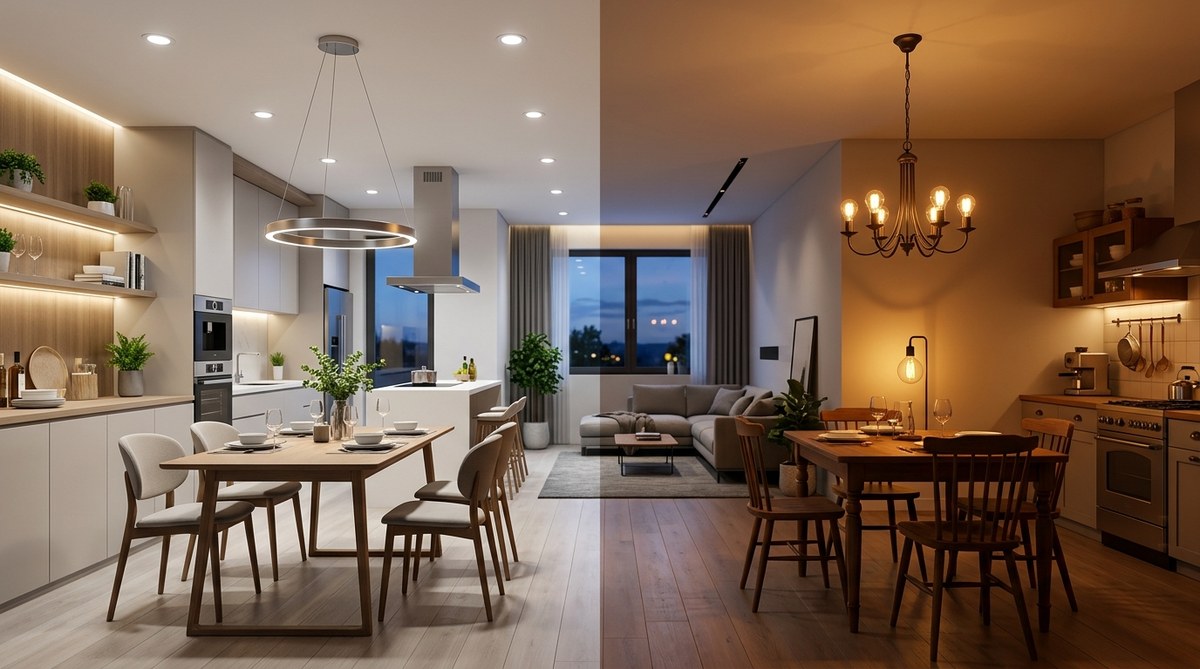
Welcome to NiceLedLights.com where we explore LED lighting for commercial and residential spaces, delving into energy savings, recycling, and environmental impacts. If you are weighing LED options against traditional bulbs, you are not alone. The decision impacts electricity bills, maintenance routines, and the environmental footprint of your property. This article breaks down the cost and energy comparison between LED and traditional lighting in a clear, practical way, with real world tips for homes and businesses.
Understanding the Basics
LED vs Traditional Lighting
Traditional lighting for many years has relied on incandescent and halogen bulbs. LEDs, or light emitting diodes, produce light through semiconductor technology. The key differences you will notice are wattage, light output, and lifetime. LEDs convert more of the electricity they use into visible light and less into heat. That fundamental difference is what drives energy savings and longer lifespans.
- Light output is measured in lumens, not watts. A higher lumen rating means more brightness.
- LED wattage is usually far lower than incandescent wattage for the same brightness.
- Lifespan matters. LEDs typically last tens of thousands of hours, while traditional bulbs burn out faster.
Reading Bulb Labels
When shopping for bulbs, you will see several important numbers on the packaging:
- Lumens indicate brightness. If you want the same brightness as a 60 watt incandescent, look for roughly 800 lumens in an LED.
- Watts show energy consumption. For LEDs this number is much lower than for incandescent bulbs.
- Color temperature is measured in Kelvin (K). Lower values around 2700K yield warm light, while higher values around 5000K give cooler, daylight like light.
- Color Rendering Index (CRI) measures how accurately colors appear. A higher CRI is better, especially in work environments.
- Dimmability and whether the bulb is ENERGY STAR certified can influence performance and compatibility.
For smart and connected lighting options, look for compatibility with your preferred control systems, such as timers, occupancy sensors, and smart home ecosystems.
Cost Comparison and Total Cost of Ownership
Upfront Costs vs Long Term Savings
Upfront cost is a common concern when considering LED bulbs. LEDs generally cost more per bulb than traditional incandescent bulbs, but the long term savings are substantial.
- Upfront cost: LED bulbs tend to cost more per unit than incandescent bulbs.
- Replacement frequency: LED bulbs can last 15,000 to 50,000 hours depending on the model and usage, which means fewer replacements.
- Maintenance: Fewer replacements reduce maintenance time and labor, especially in commercial settings.
- Energy costs: LEDs use a fraction of the energy of incandescent bulbs, which translates into lower electricity bills.
A practical way to view this is through total cost of ownership (TCO). TCO considers the purchase price, energy consumption, maintenance, and replacement costs over the bulb’s life. In most cases, LEDs win on TCO within a year or two of use, and the savings accumulate over time.
Real World Scenario Snapshots
Consider typical usage in a residential setting:
- Scenario A: A 60 watt incandescent bulb replaced with an 8 watt LED bulb, used 4 hours per day.
- Incandescent energy: 60W x 4h x 365 ≈ 87.6 kWh per year.
- LED energy: 8W x 4h x 365 ≈ 11.68 kWh per year.
- If electricity costs 15 cents per kWh, annual energy cost drops from about $13.14 to about $1.75.
-
Over the bulb life, the savings add up quickly even after considering the higher LED price.
-
Scenario B: A commercial office using 150 bulbs, each rated at 60W incandescent equivalents, replaced with 9W LEDs.
- Energy reductions are substantial across the whole space, and maintenance crews save time since bulbs last many years.
These examples show how small improvements per fixture scale up to meaningful savings in homes and workplaces.
Energy Efficiency and Operating Costs
How to Calculate Your Savings
A straightforward approach helps assess energy savings:
- Determine the old bulb’s wattage and the new LED wattage for the same brightness (lumens).
- Estimate daily usage in hours.
- Multiply watts by hours to get watt hours per day, convert to kilowatt hours (kWh) by dividing by 1000.
- Multiply by your electricity price per kWh to get daily cost.
- Extrapolate to monthly or yearly totals and compare.
Formula: Energy cost per year = (LED watts x hours per day x days per year / 1000) x price per kWh
Example:
– Old bulb: 60W; LED bulb: 8W
– Hours per day: 6
– Price per kWh: $0.15
– Old annual cost: 60 x 6 x 365 / 1000 x 0.15 ≈ $19.74
– LED annual cost: 8 x 6 x 365 / 1000 x 0.15 ≈ $2.63
– Annual savings: ≈ $17.11 per bulb
Environmental Gains by Energy Reduction
Electricity generation is a major source of greenhouse gas emissions. When you reduce energy use, you reduce demand on the grid and associated emissions. LEDs contribute to:
- Lower carbon emissions due to reduced energy needs
- Less heat pollution from lighting systems
- Reduced waste due to longer lifespans and fewer replacements
NiceLedLights.com highlights how LEDs can be part of a broader sustainability strategy for both homes and businesses.
Lifespan, Durability, and Reliability
Typical Lifespans
LEDs are built for longevity, but actual life depends on heat management, driver quality, and usage patterns.
- LED lifespans commonly range from 15,000 to 50,000 hours.
- Incandescent bulbs usually last about 1,000 hours.
- Halogen lamps sit around 2,000 to 4,000 hours.
A longer lifespan reduces replacement costs and maintenance, an especially important consideration for commercial spaces like offices, retail, or hospitality venues.
Durability and Environmental Factors
LEDs are solid state devices without fragile filaments. They are more resistant to bumping, jostling, and temperature changes, but performance can be affected by heat. Excessive heat shortens LED life and degrades color consistency. Proper fixture design and ventilation help preserve performance. In outdoor or harsh environments, select bulbs with appropriate IP ratings and robust drivers.
Environmental Impact and Recycling
Lower Footprint Across the Board
LED lighting reduces energy consumption and waste. Fewer replacements mean less waste in landfills. LEDs do not contain mercury, unlike some CFL bulbs, which makes end of life handling easier and safer.
End of Life and Recycling
Recycling programs for LEDs are expanding. While LED components include metals and plastics that can be reclaimed, local programs may vary. Consider these steps:
- Check local recycling guidelines for bulbs and electronics
- Separate bulbs by type when taking them to collection sites
- If a bulb is still functioning, consider donating or reusing it before disposal
NiceLedLights.com provides guidance on responsible recycling and how to maximize the environmental benefits of your lighting upgrades.
Smart Lighting and Controls
Dimming and Sensing for Better Efficiency
Smart and connected LED lighting adds another layer of energy savings. When combined with occupancy sensors, daylight harvesting, and scheduling, you can avoid unnecessary lighting while still meeting brightness needs.
Key benefits include:
– Reduced energy usage from automatic dimming when spaces are bright from daylight
– Customized scenes and schedules for different activities
– Remote monitoring and maintenance data for property management
ROI of Smart LED Solutions
Smart lighting investments pay back through energy savings, improved occupant comfort, and better asset management. In commercial properties, ROI is often enhanced by improved productivity and occupant satisfaction in addition to electricity savings.
Choosing LED Bulbs for Your Space
Lighting Quality and Specifications
- Lumens versus watts: choose brightness by lumens, aiming for equivalent brightness when switching from an older bulb.
- Color temperature: warm 2700K to 3000K for living spaces; neutral 3500K to 4500K for kitchens and offices; daylight 5000K to 6500K for task lighting.
- CRI: 80+ is good for most spaces; 90+ is preferred for color critical tasks.
Practical Tips for Home and Office
- Always verify dimmability if you plan to dim the fixture
- Verify fixture compatibility with LED bulbs to prevent flicker or dimming issues
- Consider the form factor and base type, such as A19, MR16, PAR38, etc
- Look for ENERGY STAR certified LEDs for guaranteed performance
- Compare lumens and watts to ensure you get the brightness you expect
Packaging and Certification
- ENERGY STAR certification signals tested performance and energy savings
- Check for manufacturer warranties that cover failure modes
- Read packaging details for lumen maintenance and color temperature consistency
NiceLedLights.com recommends ENERGY STAR certified products as a baseline for reliability and efficiency.
Implementation Guide: Making the Switch
Step by Step Plan
- Inventory existing lighting and identify fixtures that will benefit most from LED upgrades
- Prioritize high usage areas like living rooms, kitchens, offices, and exterior lighting
- Estimate potential energy savings using simple calculations
- Create a phased replacement plan to manage costs
- Purchase LED bulbs with appropriate brightness, color temperature, and CRI
- Replace bulbs and test each fixture for compatibility and performance
- Track energy usage before and after to quantify savings
- Establish a long term recycling plan for old bulbs
Common Myths Debunked
- LEDs cost more up front but save more over time
- LEDs contain mercury like some CFLs does not
- All LEDs are fragile and cannot stand heat and cold; in reality, many LEDs are designed for specific environments
- Dimmability depends on the driver and the bulb; verify compatibility with your dimmer switch
Frequently Asked Questions
Do LEDs Cost More Up Front
Yes, the upfront price is typically higher, but the long term energy savings and infrequent replacements typically offset the initial investment.
Are LEDs Worth It for Small Spaces
Absolutely. Even a few LED bulbs in a small apartment or single room can yield noticeable energy savings and improved lighting quality.
Do LEDs Contain Mercury
Most LEDs do not contain mercury, unlike some fluorescent CFL bulbs. This simplifies disposal and recycling.
How to Dispose of LED Bulbs
Check local guidelines for e waste recycling. If local programs accept LEDs, bring them there. Some retailers offer take back programs for used bulbs.
Real Life Scenarios and Case Studies
- Residential scenario: Upgrading a living room with a mix of warm LEDs reduces energy use and provides comfortable lighting for evenings and media time.
- Small business scenario: An office with many desks benefits from cooler daylightLEDs, enhancing alertness and productivity while reducing energy costs.
- Outdoor scenario: Replacing weather worn outdoor fixtures with LED lighting increases safety and reduces maintenance.
Across these scenarios, the common outcomes are lower energy bills, fewer repairs, and a more pleasant atmosphere.
The NiceLedLights.com Perspective
NiceLedLights.com is dedicated to helping you understand not just the science behind LED technology but also how to apply it in real settings. We emphasize not only the immediate savings but also the environmental benefits of reduced energy use, long lasting bulbs, and responsible end of life disposal.
- We highlight the importance of lumens over watts to ensure you get the brightness you want.
- We discuss color temperature to match moods and tasks.
- We promote ENERGY STAR certified products and reputable brands for reliability.
- We provide practical tips for both home and business environments.
By focusing on the practical aspects and lasting benefits, we aim to guide readers toward lighting solutions that save money and support sustainability goals.
Key Takeaways
- LED lighting saves energy, reduces heat output, and lasts much longer than traditional bulbs.
- Total cost of ownership is generally lower for LEDs when you account for energy usage and replacements over time.
- Reading lumens, color temperature, and CRI helps you choose lighting that matches spaces and tasks.
- ENERGY STAR certification and reputable brands improve reliability and performance.
- Recycling and responsible disposal are important parts of LED life cycle management.
If you are ready to explore LED options for your space, NiceLedLights.com offers a wealth of resources to help you compare products, plan upgrades, and understand the environmental benefits of moving away from traditional lighting. Our goal is to empower you with clear, actionable information so you can brighten your space efficiently and sustainably.